
 English
 Español
 Portugues
 Pусский
 Français
 العربية
 Türk dili
 Indonesia
 Tiếng Việt
Kraftstoff-Tankwagen
A fuel delivery tanker truck is a specialized heavy-duty vehicle engineered to transport flammable liquid fuels—including gasoline, diesel, jet fuel, and heating oil—over land, serving as a critical link in the global energy supply chain. Unlike standard freight trucks, it is built with rigorous safety and structural standards to handle the volatile nature of its cargo, making it distinct from general-purpose commercial vehicles.Its central component is the large cylindrical tanker body, typically constructed from high-strength aluminum alloy or corrosion-resistant carbon steel. These materials balance durability, weight efficiency, and resistance to chemical damage, reducing operational fuel costs while withstanding the stress of transporting heavy loads. Inside the tank, internal anti-slosh baffles divide the cargo space into multiple compartments, serving two key functions: they limit fuel movement during transit, preventing sudden shifts that could destabilize the vehicle and reduce rollover risks, and they allow simultaneous transport of different fuel grades without cross-contamination, boosting operational flexibility.Safety features are non-negotiable. An integrated static discharge grounding chain links the tank to the road surface, neutralizing static electricity that could ignite fuel vapors. Pressure relief valves and breathing valves regulate internal pressure, preventing tank rupture from thermal expansion during hot weather or vacuum formation when fuel is unloaded. Additional safety gear includes on-board fire extinguishers, highly visible hazard markings (reflective strips, warning labels), and a quick-acting emergency shut-off system for fuel valves, which stops leaks in case of collisions or malfunctions.Operated by highly trained drivers holding hazardous materials (HazMat) certifications, these tankers follow strict operational protocols. Loading takes place at secured fuel terminals, where drivers inspect the tank for damage, connect grounding lines, and control fuel flow rates to avoid static buildup. Transits adhere to speed limits and pre-planned routes that prioritize low-risk areas, with regular checks for leaks. When delivering to gas stations, industrial facilities, or residential heating sites, the tanker is grounded again, and fuel is transferred slowly while monitoring for spills, ensuring minimal environmental risk.These vehicles are indispensable to daily life, ensuring fuel reaches service stations, power plants, and transportation networks to sustain economies and communities. Modern models integrate smart technologies like real-time leak sensors and GPS tracking, enhancing compliance with safety regulations and reducing environmental impact, solidifying their role as a reliable backbone of energy logistics. (Word count: 498)
Produkt
Kategorie:
-
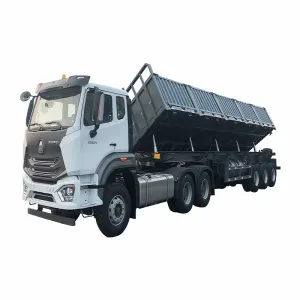
Sattelauflieger mit Seitenkipper
Ihre Klassifizierung: KippaufliegerAnsichten: 820Nummer:Veröffentlichungszeit: 2026-06-08 14:36:38Junchi Heavy Industry stellt Muldenkipper mit Tankvolumen von 24, 30, 35 und 45 Kubikmetern her. Eine Anpassung ist möglich, um Ihren individuellen Anforderungen gerecht zu werden. Unsere Produktpalette umfasst Standard-Kippauflieger, U-förmige Hinterkipper, Pritschen-Container-Heckkipper, Skelett-Kippauflieger und Seitenkippauflieger.
Nachrichten
Kategorie:
Keine Suchergebnisse!
Fall
Kategorie:
Keine Suchergebnisse!
Video
Kategorie:
Keine Suchergebnisse!
Herunterladen
Kategorie:
Keine Suchergebnisse!
Rekrutierung
Kategorie:
Keine Suchergebnisse!
Empfohlene Produkte
Keine Suchergebnisse!



 Telefon