
 English
 Español
 Portugues
 Pусский
 Français
 العربية
 Türk dili
 Indonesia
 Tiếng Việt
Preis für Containeranhänger
Container trailers, the backbone of intermodal logistics networks, are engineered to transport standard ISO shipping containers between ports, inland depots, warehouses, and construction sites, with their prices fluctuating significantly based on technical, market, and regulatory factors. One primary determinant of cost is the trailer’s specifications: length, axle configuration, and load capacity. Common models include 20-foot, 40-foot, and 45-foot skeletal units, each optimized for distinct container sizes. Two-axle 20-foot trailers, suited for lighter loads, are more affordable, while four-axle 45-foot models built to carry high-cube containers or heavy freight command higher prices. Axle count and suspension systems also impact durability: advanced air suspension, which reduces container wear and improves ride quality, adds to costs compared to basic leaf spring suspension. Additional optional features—such as anti-lock braking systems (ABS), container locking mechanisms, and real-time GPS tracking—can raise prices by 5% to 15% based on setup complexity. Material quality and regulatory compliance further differentiate pricing. Trailers made from high-strength, corrosion-resistant steel offer longer service lives than models using standard steel, making them pricier. Aluminum components for weight reduction boost fuel efficiency but also increase upfront costs. Compliance with strict regional rules (e.g., U.S. FMCSA or EU transport standards) requires specialized manufacturing, adding to expenses but reducing long-term risks of non-compliance fines. New vs. used status is another key factor. Brand-new trailers, aligned with current industry needs, range from $15,000 for a basic 20-foot two-axle unit to over $40,000 for a premium heavy-duty 45-foot model. Used trailers, depending on age, mileage, and condition, cost 30% to 70% of the original price, with well-maintained units commanding a higher share of the new price than worn or outdated models. Seasonal demand also shifts costs: during peak shipping seasons (e.g., holiday periods), popular models see 10% to 15% price hikes due to limited supply. For logistics operators, choosing a container trailer requires balancing upfront costs with long-term needs like operational efficiency, compliance, and load requirements to deliver value to their supply chain operations. (Word count: 498)
Produkt
Kategorie:
-
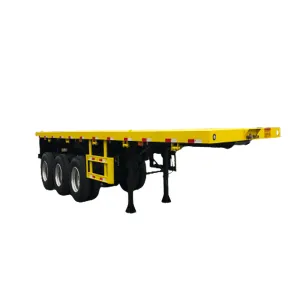
Container-Tieflader-Auflieger
Ihre Klassifizierung: ContainerpritscheAnsichten: 685Nummer:Veröffentlichungszeit: 2026-06-08 16:08:16Der von JunChi Heavy Industry entwickelte und produzierte Container-Tieflader-Sattelauflieger besteht aus hochfestem Stahl, wodurch das Fahrzeug eine höhere Tragfähigkeit und eine längere Lebensdauer haben kann. Um die Lebensdauer und Tragfähigkeit des Fahrzeugs sicherzustellen, verwenden wir ausschließlich Ersatzteile weltbekannter Marken.
Nachrichten
Kategorie:
Keine Suchergebnisse!
Fall
Kategorie:
Keine Suchergebnisse!
Video
Kategorie:
Keine Suchergebnisse!
Herunterladen
Kategorie:
Keine Suchergebnisse!
Rekrutierung
Kategorie:
Keine Suchergebnisse!
Empfohlene Produkte
Keine Suchergebnisse!



 Telefon